 Juniper
Juniper Psychological Services
Juniper Psychological Services was founded in 2018 by Dr. Christy Blevins and Dr. Genevieve Pruneau with a
vision to provide psychological services from a scientific foundation, and with an approach of respect, warmth,
and collaboration to help clients make meaningful and lasting changes in their lives. Christy and Genevieve met
in graduate school and became close friends while working together in a research lab. They each traveled the
country for their training and early careers as trauma specialists, and, after being charmed by Portland, decided
to build a private practice here. With a commitment to ongoing consultation and education, Juniper is
dedicated to providing inclusive, caring, and effective therapy practices. They welcome individuals from all backgrounds.
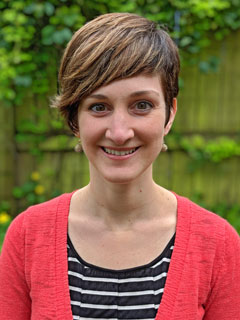
Dr. Christy Blevins
Christy Blevins is a clinical psychologist licensed in Oregon (#2955) and Washington (PY61407246). Over the
past fifteen years, she has worked in a variety of settings including a community mental health clinic, university
counseling center, and outpatient and residential hospital settings. Dr. Blevins has extensive experience in
treatments for PTSD, including Cognitive Processing Therapy and Prolonged Exposure. She frequently
integrates skills to help with self-compassion (learning to be kind to yourself) and values (connecting with
meaningful activities). She enjoys the process of understanding someone’s unique story and helping them feel
more secure and confident in themselves and their choices.
- Postdoctoral fellowship, VA Palo Alto Health Care System
Palo Alto, CA, 2015 - Internship, VA Portland Health Care System
Portland, OR, 2014 - PhD, Clinical Psychology, Auburn University
Auburn, AL, 2014 - MS, Clinical Psychology, Auburn University
Auburn, AL, 2010 - BS, Psychology, Texas A&M University
College Station, TX, 2007
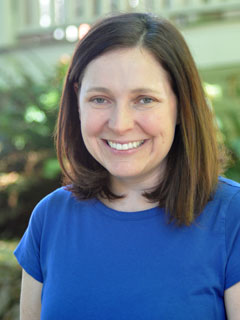
Dr. Genevieve Pruneau
Genevieve Pruneau is a licensed psychologist (Oregon #2898; Washington PY61338461). She was born in
Montreal, Canada and moved to Dallas, Texas as a teenager. She feels grateful to have found a career that
merges her love of science with her desire to help people. Her specialty is in treating trauma and posttraumatic
stress disorder, with certifications in prolonged exposure therapy and cognitive processing therapy treatment
protocols. She is also an experienced provider of behavioral interventions for anxiety disorders. When
appropriate, she enjoys incorporating data into therapy (e.g., symptom scales, sleep logs) to understand how
small changes in daily behavior can influence overall wellbeing.
- Postdoctoral fellowship, Hines VA Hospital
Chicago IL, PTSD/SUD Fellow, 2011 - Internship, Boston Consortium
Boston, MA, National Center for PTSD, 2010 - PhD, Clinical Psychology, Auburn University
Auburn, AL, 2010 - MS, Clinical Psychology, Auburn University
Auburn, AL, 2008 - BA, Psychology, Minor Sociology, Southwestern University
Georgetown, TX, 2004